


Nourishing Yourself After Birth: Meals to Enjoy and How to Set Healthy Boundaries with Visitors
Welcoming a new baby is a joyful and exhausting time. Your body has just gone through a major event, and the days after birth are crucial for recovery and healing. One of the most important ways to support your body during this time is through proper nourishment. Eating the right meals helps restore energy, supports breastfeeding, and promotes overall well-being. At the same time, managing visitors can be challenging. Setting clear boundaries ensures that your focus stays on healing and caring for your newborn without added stress.
Why Nourishment Matters After Birth
After childbirth, your body needs extra nutrients to recover from labor and delivery. Blood loss, hormonal changes, and the demands of breastfeeding increase your nutritional needs. Proper nourishment helps:
Rebuild energy stores
Support tissue repair
Boost your immune system
Enhance milk production if breastfeeding
Skipping meals or eating low-nutrient foods can slow recovery and leave you feeling drained. Prioritising balanced meals rich in vitamins, minerals, and protein is essential.
What Meals to Enjoy in the Postpartum Period
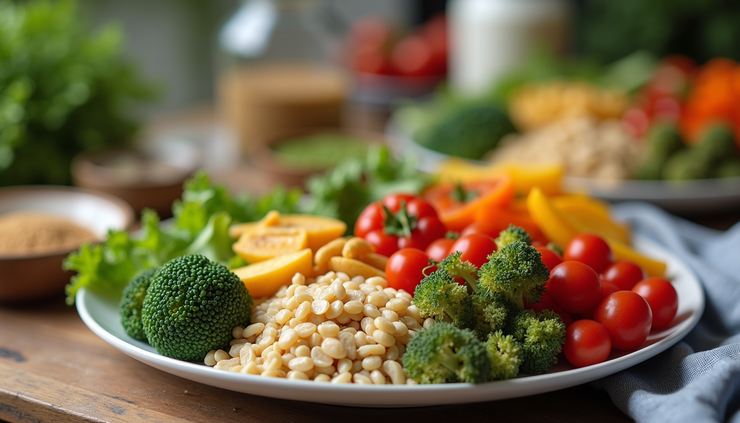
Choosing the right foods can make a big difference in how you feel. Focus on meals that are easy to digest, nutrient-dense, and comforting. Here are some examples:
Protein-Rich Foods
Protein supports tissue repair and milk production. Include:
Lean meats like chicken
Free Range Eggs
Fish (low in mercury)
Beans and lentils
Full Fat Dairy products like yogurt
Whole Grains and Complex Carbohydrates
These provide steady energy and fibre to prevent constipation, which is common postpartum. Try:
Brown rice
Quinoa
Oats
Whole wheat bread or pasta
Fresh Fruits and Vegetables
Packed with vitamins and antioxidants, they help your body heal and fight infection. Include a variety of colours such as:
Leafy greens (spinach, kale)
Berries
Carrots
Sweet potatoes
Healthy Fats
Fats support brain health and hormone balance. Sources include:
Avocado
Nuts and seeds
Olive oil
Fatty fish like salmon
Hydration
Drinking plenty of water is vital, especially if breastfeeding. You may want to add a little high quality pink salt to prevent loss of essential nutrients. Herbal teas and broths can also help keep you hydrated.
Meal Ideas
Bone Broth is fantastic for body repair and any post birth physical trauma. Broth can also help with promoting strong hair, nails and bones, supporting your immune system and gut, improves sleep, brain functioning and mood, decreases fatigue
Bone broth is super easy to prepare and can be made in batches and frozen until needed.
Recipe suggestion -
Left over chicken bones, chicken
A selection of vegetables- this is a great way of using up veg that has gone past it's best. You can use carrots, celery, tomatoes, sweet potatoes, or any other vegetable you have at home
1 onion chopped up
3 cloves of garlic with skin on
1/4 tsp peppercorns
1 small piece of seaweed - you can use Nori, Kelp, Dulse, whatever you have access to and if you cannot find any, this can be left out
1tbsp Apple cider vinegar
A little Parsley, or any other herbs if you have
Method
Put all the ingredients in a large pan on the hob, cover the bones/carcass with filtered water
Bring to the boil with a lid on the pan. Once reached boiling point remove the lid and reduce to a low simmer
Cook for 3-4 hours
Whilst the broth is still warm, strain and discard the bones and vegetables.
Once cooled, store in the fridge if using immediately, or freeze if keeping for later
Enjoy!!

How Family and Friends Can Support Your Nourishment
Visitors often want to help, but they may not realise how much you need rest and care. One of the best ways they can support you is by bringing nourishing meals. Here are some tips for loved ones:
Prepare or bring ready-to-eat meals that are easy to reheat
Include snacks like nuts, fruit, or yogurt for quick energy boosts
Avoid sugary or processed foods that offer little nutritional value
Offer to help with grocery shopping or meal prep
This support allows you to focus on recovery without worrying about cooking or shopping.
Setting Healthy Boundaries with Visitors
While visitors bring joy, they can also add stress if expectations are unclear. It’s important to communicate your needs kindly but firmly:
Let visitors know you need rest and cannot host or care for them
Ask that they bring food or help rather than expect to be fed or entertained
Limit visiting hours to avoid exhaustion
Encourage visitors to wash hands and avoid coming if sick
Remember, your priority is healing and bonding with your baby. Visitors should respect that and focus on caring for you.
Practical Tips for Managing Visitors and Meals
Create a meal schedule or list of preferred foods to share with family and friends
Use a shared calendar or app to coordinate visits and meal deliveries
Keep easy-to-prepare snacks on hand for unexpected hunger
Delegate tasks like cleaning or errands to visitors who want to help
Take breaks from visitors when needed without guilt
These steps help maintain your energy and reduce overwhelm.
Recovering from childbirth requires both physical nourishment and emotional support. Eating balanced meals rich in protein, whole grains, fruits, and healthy fats fuels your body’s healing process. At the same time, setting clear boundaries with visitors ensures your time and energy focus on your recovery and your newborn. Encourage family and friends to bring nourishing meals and offer help without expecting anything in return. This approach creates a supportive environment where you can regain strength and enjoy the early days of motherhood.


Comments